
Secure Your Bathing: Essential Walk-In Tub Safety Features
Essential Safety Features to Look for in a Walk-In Tub: A Guide to Safe and Accessible Bathing for Seniors
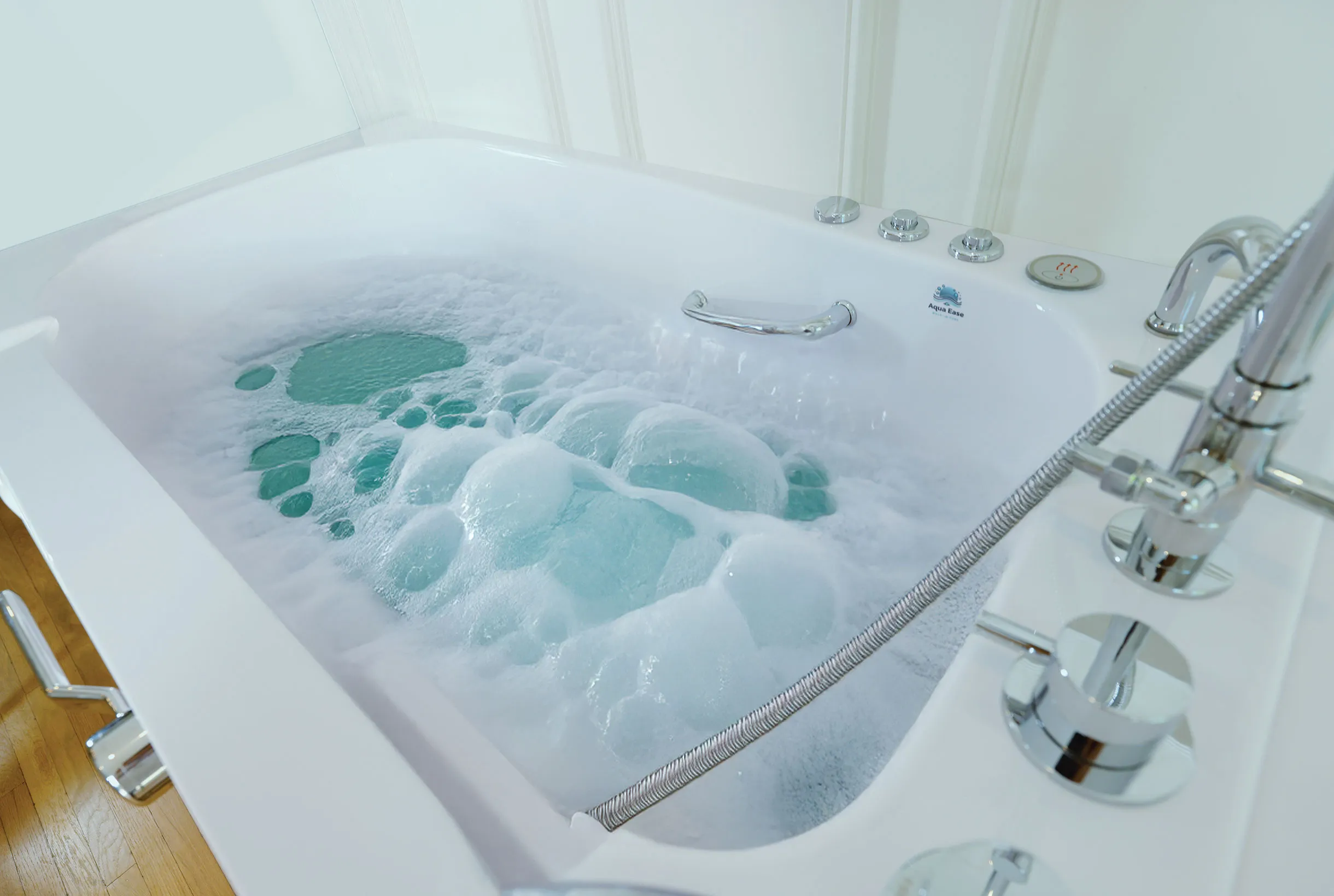
Walk-in tubs give seniors and people with limited mobility a safer, more comfortable way to bathe. This guide walks you through the key safety features that make walk-in tubs a smart upgrade for any bathroom. You’ll learn why traditional tubs can be risky, and how walk-in tubs—with features like low-entry thresholds, non-slip floors, grab bars, and ADA-minded design—help reduce those risks and restore confidence in bathing.
Why Are Safety Features Crucial in Walk-In Tubs for Seniors?
Safety features aren’t optional — they’re essential. Bathrooms are one of the most common places for injuries among older adults because wet, slippery surfaces and high tub walls create hazards. Walk-in tubs are built to address those exact problems, helping seniors stay independent while cutting the chance of falls and related injuries.
What Risks Do Seniors Face in Traditional Bathtubs?
Seniors face a real danger in standard tubs: slips, falls, and the fractures or head injuries that can follow. Research shows roughly 80% of bathroom falls happen in the tub or shower area. Factors like high tub walls, slick surfaces, and limited balance or strength increase that risk—especially when stepping in and out.
How Do Walk-In Tubs Reduce Fall and Injury Risks?
Walk-in tubs reduce risk by removing the obstacles that cause most accidents. A low-entry threshold eliminates the need to lift a leg over a tall wall. Non-slip surfaces and well-placed grab bars give secure footing and handholds. Many customers tell us their walk-in tub—whether a standard model or a hybrid tub—has made bathing less stressful and far safer.
How Does a Low-Entry Threshold Enhance Walk-In Tub Safety?
A low-entry threshold makes stepping into a tub much easier and safer. For someone with limited strength or balance, a smaller step can be the difference between an independent bath and needing help. Beyond convenience, it directly lowers the chance of trips and falls.
What Is a Low-Entry Threshold and Its Benefits?
Low-entry thresholds typically range from 3 to 6 inches, so users don’t have to lift their feet high to enter. That smaller step reduces tripping and makes it easier to use walkers or canes near the tub. Many users say a low-entry design restored their confidence and let them bathe without assistance.
How Does a 6-Inch Step-In Height Prevent Falls?
A 6-inch step-in height is engineered for safer transfers. By lowering the entry point, it’s easier to maintain balance when stepping in or out. Case studies and customer feedback show that people who switch to low-entry tubs report fewer slips and a more satisfying bathing experience.
Why Is Anti-Slip Flooring Essential in Walk-In Tubs?

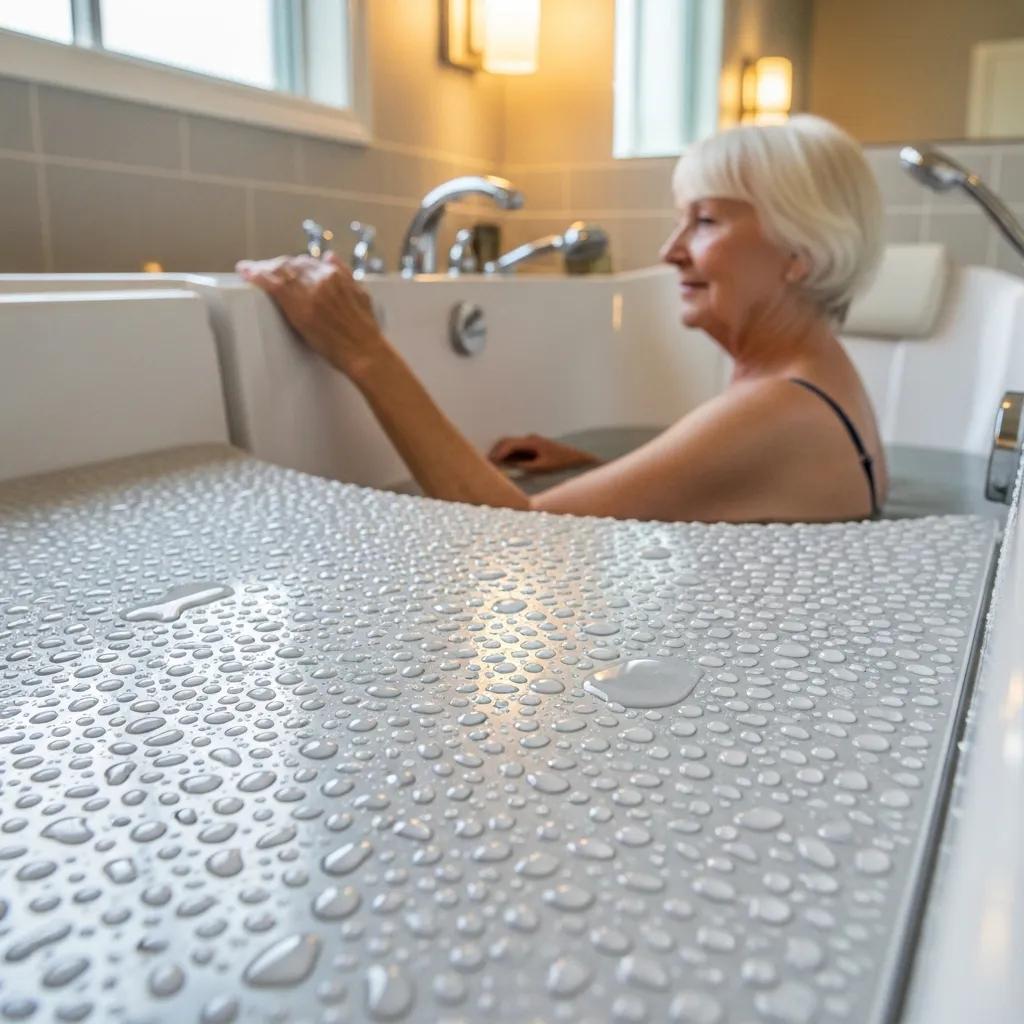
Anti-slip flooring is a must-have. Wet feet on a smooth surface are a common cause of falls, so a textured floor that improves grip can greatly reduce that danger and make standing, sitting, and moving inside the tub safer.
How Do Textured Surfaces Prevent Slips and Falls?
Textured surfaces add traction even when wet, helping feet stay planted. These patterns and finishes are designed to work with water and soap, giving users confidence as they move. Many customers say anti-slip floors are one of the features they notice first—and appreciate every time they bathe.
What Materials Are Used for Non-Slip Walk-In Tub Flooring?
Common non-slip materials include textured acrylic, vinyl, and rubberized coatings. Each balances grip, durability, and ease of cleaning. Manufacturers choose materials that feel comfortable underfoot while still providing reliable traction for safer bathing.
What Role Do Built-In Grab Bars Play in Walk-In Tub Safety?
Built-in grab bars offer essential support for entering, exiting, and steadying yourself while bathing. Properly placed, they make transfers easier and reduce the need for assistance from a caregiver.
Where Should Grab Bars Be Strategically Placed?
Grab bars belong near the entry, along the tub walls, and within reach of the seat and shower controls. For best results, have them professionally installed in locations tailored to the user’s needs—manufacturers and installers often provide diagrams that show optimal placement.
How Do Grab Bars Support Independent Bathing for Seniors?
Grab bars give people the confidence to bathe on their own by providing stable handholds for transfers and repositioning. Many users report feeling less dependent on others, which can improve mood and daily quality of life. Data also shows grab-bar use corresponds with fewer bathroom accidents.
Which Advanced Safety Features Should You Look for in a Walk-In Tub?
Beyond basics, several advanced features add comfort and lower risk. Knowing your options—like faster drains or temperature controls—helps you choose a tub that fits your lifestyle and safety needs. Learn more about these advanced options when comparing models.
How Do Fast Drain and Fill Systems Improve Safety and Comfort?
Fast drain and fill systems cut the time you spend waiting for water to move in or out. That’s helpful for users who can’t stand long or who feel unsteady while waiting. Faster drainage also reduces standing water and the chance of slipping on wet floors after exiting.
What Is Anti-Scald Technology and How Does It Protect Users?
Anti-scald technology—usually a thermostatic mixing valve—keeps water at a safe, steady temperature so it can’t suddenly spike and cause burns. It’s a simple feature that adds real peace of mind, especially for anyone with sensitive skin or slower reaction times.
How Does ADA Compliance Ensure Accessibility and Safety in Walk-In Tubs?
ADA guidelines help make tubs more accessible and safer for people with disabilities. While not every model is certified for every setting, designs that follow ADA principles typically include larger openings, reachable controls, appropriate seat heights, and secure handholds—features that benefit many older adults.
Many walk-in tubs are built with accessibility in mind and meet ADA-based design recommendations to support users with limited mobility.
Walk-In Tub Safety & ADA Accessibility for Seniors
Safety features: Many walk-in tubs follow accessibility recommendations inspired by the Americans with Disabilities Act (ADA). These tubs are particularly helpful for older adults and people with disabilities.
Walk-in tub statistics 2025, 2025
What Are the Key ADA Standards for Walk-In Tub Design?
Key guidelines focus on door width, seat height, and grab bar placement so users can enter, sit, and transfer safely. Choosing a tub that aligns with these standards helps ensure accessibility and peace of mind. If you need specifics, many manufacturers share compliance details—see our contact page for more information.
How Does Universal Design Benefit Users with Limited Mobility?
Universal design aims to make bathrooms usable for everyone. In walk-in tubs, that means low-entry thresholds, stable seating, grab bars, and non-slip floors—features that help people with a wide range of abilities feel safe, comfortable, and respected.
| Safety Feature | Description | Benefits |
|---|---|---|
| Low-Entry Threshold | A step-in height of 3 to 6 inches | Reduces fall risk and improves access |
| Anti-Slip Flooring | Textured surfaces for grip | Prevents slips and boosts confidence |
| Built-In Grab Bars | Support for entering and exiting | Enhances independence and safety |
| Fast Drain and Fill Systems | Quick water management | Reduces wait time and lowers slip risk |
| Anti-Scald Technology | Temperature regulation | Prevents burns and ensures safe bathing |
When these safety features come together, walk-in tubs offer a secure, comfortable bathing experience that helps seniors and people with limited mobility stay independent. Prioritizing safety and accessibility means better daily routines—and greater peace of mind for users and their families.
