
Enhance Independent Living: Walk-In Tubs for Seniors' Safety
How Walk-In Tubs Help Seniors Stay Safe at Home: Benefits, Safety, and Installation
Aging at home is important to many people — and feeling safe and independent there matters just as much. Walk-in tubs provide a reliable, comfortable bathing solution that helps seniors remain in their homes with confidence. Below we outline the safety features, independence benefits, and what to expect during installation. We’ll also cover cost and financing options and explain how walk-in tubs can lighten the load for caregivers so families can make practical, informed decisions.
What safety features do walk-in tubs offer for seniors?
Walk-in tubs include purpose-built safety elements that lower the chance of bathroom accidents. Features such as low thresholds, strategically placed grab bars, and anti-slip flooring work together to create a more secure bathing environment for older adults.
How do low thresholds and grab bars help prevent falls?
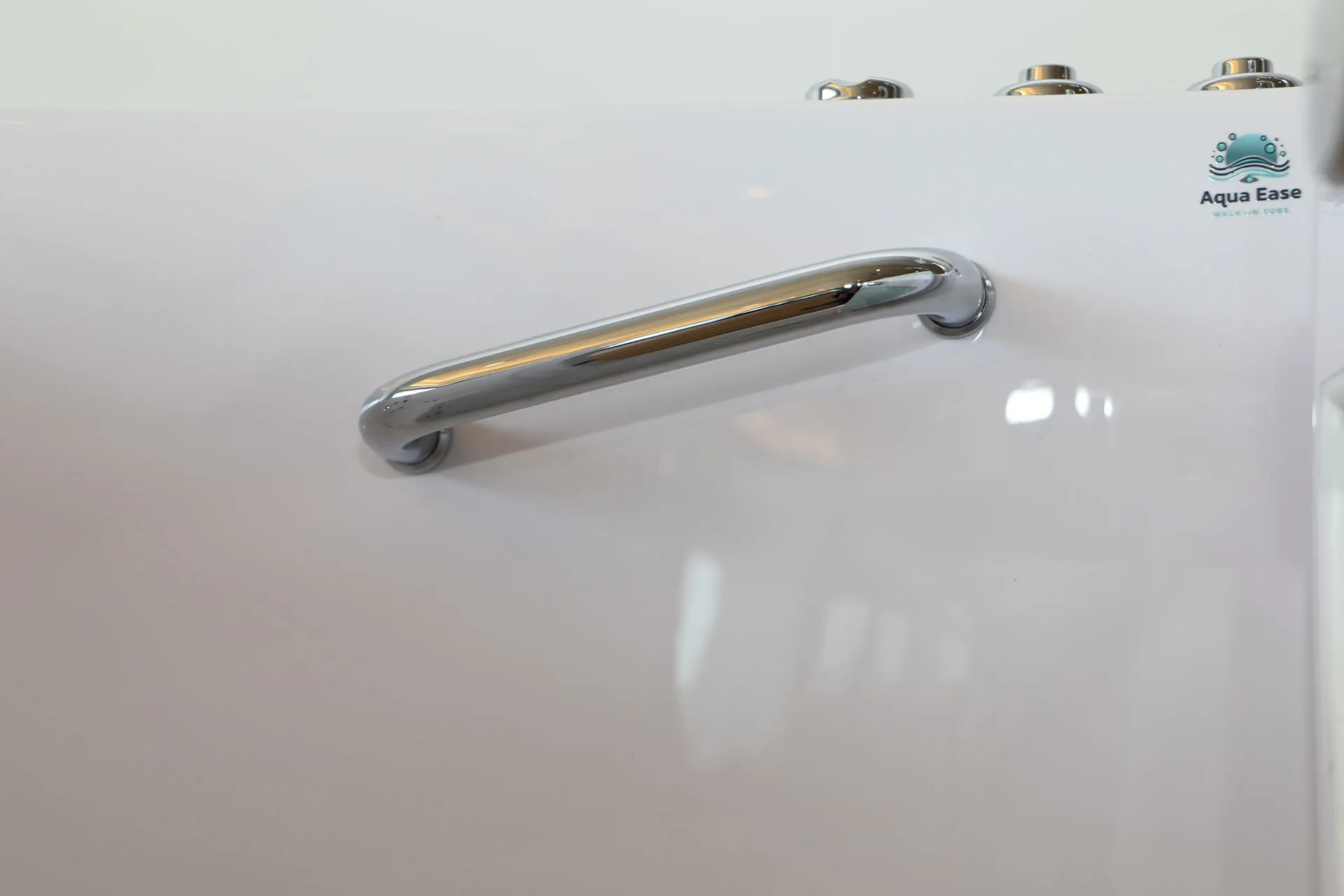
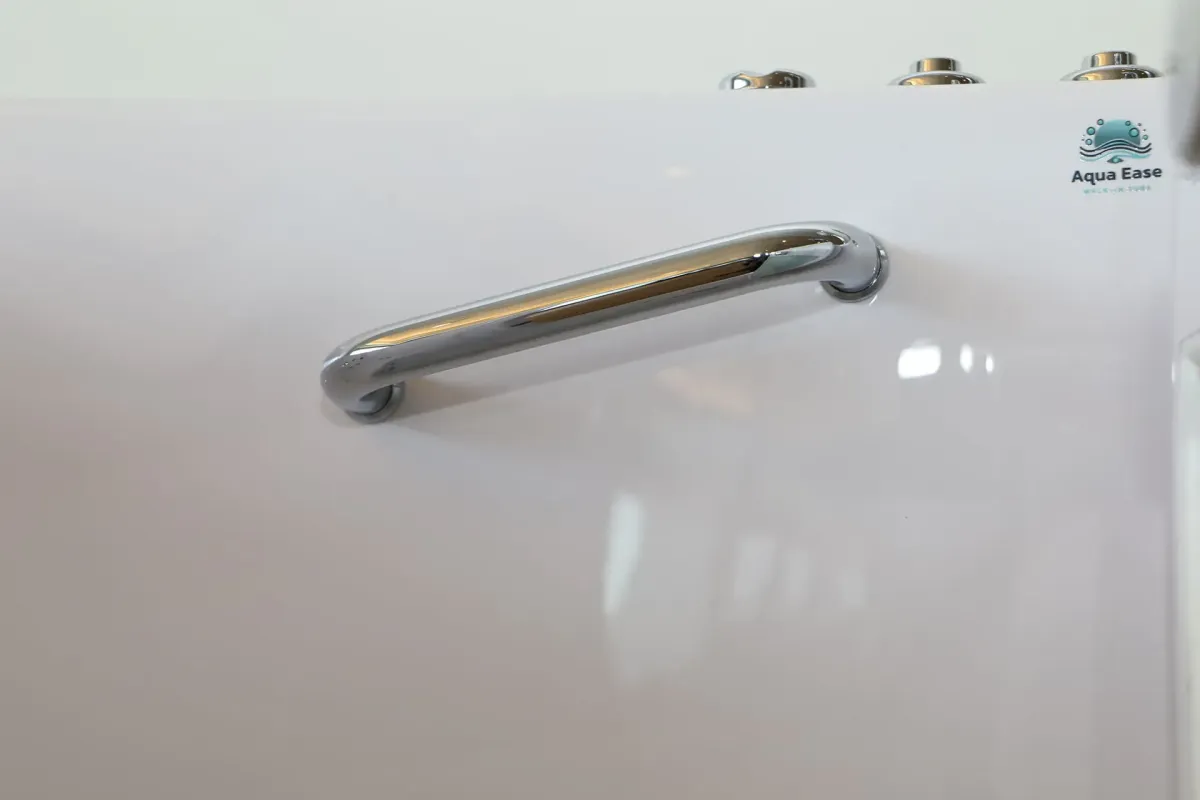
Low thresholds eliminate the need to step over a tall edge, reducing a common trigger for slips and trips. Because bathroom falls are a leading cause of injury among seniors, that simple design change makes a big difference. Grab bars give trusted handholds for steadying yourself when entering or leaving the tub, adding another layer of protection.
Why is anti-slip flooring important in a senior bathroom?
Anti-slip flooring is designed to increase traction on wet surfaces, cutting the risk of slips and falls. Materials such as textured vinyl or rubber are often used to improve grip underfoot. Research shows bathrooms with anti-slip surfaces have fewer slip-related injuries, so this feature is an essential part of safe bathing for older adults.
How do walk-in tubs support independence and comfort for older adults?
Beyond safety, walk-in tubs help seniors keep everyday routines without relying on others. A stable, private bathing space boosts personal independence and makes daily hygiene easier and more dignified.
How do walk-in tubs preserve dignity and self-reliance?
Being able to bathe without assistance supports self-respect and autonomy. Walk-in tubs let users enjoy a relaxing, private bath with minimal help, which often improves confidence and daily quality of life. Many customers tell us that regaining this independence makes a real difference in their routines and wellbeing.
What therapeutic benefits can hydrotherapy offer seniors?
Many walk-in tubs include hydrotherapy jets that deliver a gentle water massage. Hydrotherapy can ease aches, improve circulation, and promote relaxation — all benefits that may improve daily comfort for older adults. Regular, comfortable baths can meaningfully contribute to overall quality of life.
Clinical research also supports hydrotherapy’s role in pain relief and patient satisfaction among older populations.
Hydrotherapy for Elderly Pain Relief & Satisfaction
This study was conducted to investigate the pain relief score and the degree of satisfaction among elderly people. The mean value of the pain relief score in the female group was higher than the mean value of the pain relief score in the male group(p<0.05).
Pain relief and satisfaction by hydrotherapy among urban elderly, 2002
Which Aqua Ease walk-in tub models best support aging in place?
Aqua Ease offers several walk-in tub models built for different needs and preferences. Knowing the differences helps families pick the right solution for their loved one’s mobility and comfort goals.
How do jetted and soaker walk-in tubs differ?
Jetted tubs have built-in hydrotherapy jets for a massage-like experience, ideal for pain relief and muscle relaxation. Soaker tubs focus on a deep, peaceful soak without jets — a simpler option for those who prefer fewer features. The best choice depends on whether therapeutic massage or straightforward soaking is most important.
How do walk-in showers fit into accessible bathing plans?
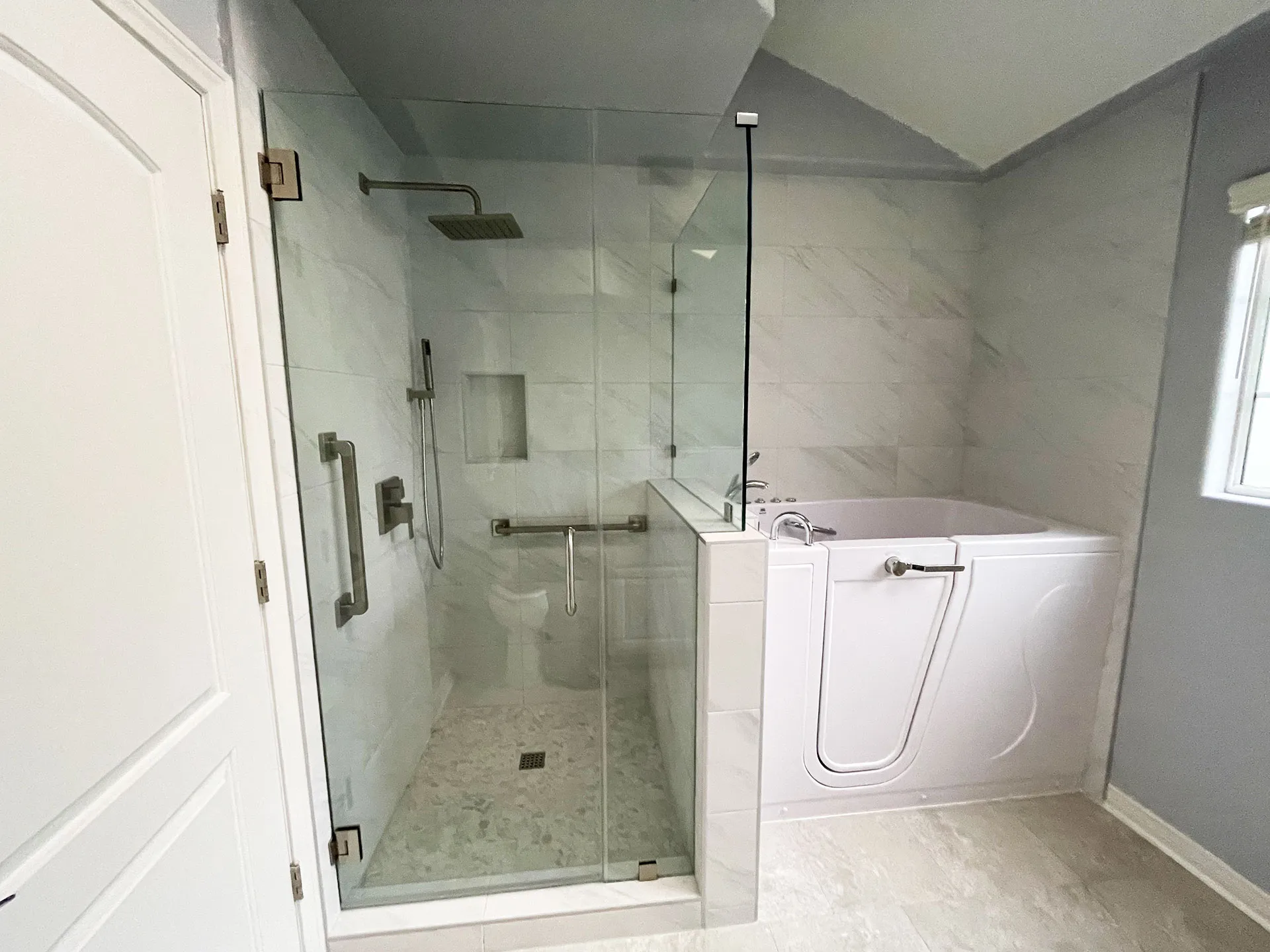
Walk-in showers are another accessible option, especially for people who prefer standing while bathing. Paired with walk-in tubs, they give households flexibility—so you can tailor the bathroom to changing needs and mobility levels.
What should seniors expect during a walk-in tub installation?
The installation process is planned to be quick and minimally disruptive. Knowing the steps ahead of time can ease concerns about making changes at home.
How does Aqua Ease manage safe, efficient in-house installations?
Aqua Ease uses a trained in-house installation team experienced with walk-in tubs. Our installers follow safety protocols and assess your bathroom to ensure the tub fits and functions correctly. The goal is a secure, dependable installation completed with care.
What should seniors know about timelines and preparing for installation?
Most installations are completed in one to two days, though complexity can extend the schedule. Preparing the area and discussing any special needs with the installation crew ahead of time helps everything run smoothly and reduces surprises.
How can seniors afford a walk-in tub? Costs and financing explained
Cost is a common question. Understanding typical price ranges and available financing can make this necessary home upgrade more achievable.
What are typical walk-in tub costs, including installation?
Prices vary with features and installation needs. On average, walk-in tubs range from $3,500 to $7,500 with installation included. While an investment up front, a walk-in tub can reduce fall risk and potential medical expenses over time.
What financing options and grants can help with bathroom modifications?
There are several ways to make walk-in tubs more affordable, including government programs, low-interest loans, and manufacturer payment plans. We encourage seniors to explore these options to find the best fit for their budget.
How do walk-in tubs help caregivers and support senior care?
Walk-in tubs ease many practical challenges for caregivers, improving safety and reducing the physical strain of assisting with bathing.
How do walk-in tubs make bathing assistance easier for caregivers?
The design of walk-in tubs supports safer, more efficient assistance when needed, lowering the risk of injury for both caregiver and senior. Easier bathing routines often translate into less physical stress and a more positive caregiving experience.
What resources can caregivers use when supporting seniors with mobility challenges?
Caregivers can find help through local support groups, online communities, and government programs that offer guidance and practical resources. These networks provide information and emotional support while navigating care decisions.
For tailored guidance or to discuss your home’s needs, please contact us.
| Feature | Description | Benefit |
|---|---|---|
| Low Thresholds | Small step-over height for easy entry and exit | Reduces the chance of falls |
| Grab Bars | Secure handholds placed where you need them | Improves stability during transfers |
| Anti-Slip Flooring | Textured surfaces that increase traction | Helps prevent slips on wet surfaces |
The table above highlights the core safety elements that make walk-in tubs a safer bathing choice for seniors.
| Model Type | Features | Ideal For |
|---|---|---|
| Jetted Tubs | Hydrotherapy jets for targeted massage | Relief from aches and relaxation |
| Soaker Tubs | Deep soaking design without jets | Simplicity and comfort |
| Walk-In Showers | Low-entry, easy-access showering | Quick, accessible bathing |
This comparison shows the Aqua Ease options so families can match features to their loved one’s needs and preferences.
