
What Is a Low-Threshold Walk-In Tub? Features, Safety Benefits & Installation Guide
What Is a Low-Threshold Walk-In Tub? Features, Safety Benefits, and Installation Guide for Accessible Bathing
Low-threshold walk-in tubs are built to make bathing safer and more accessible for people with limited mobility, especially older adults. Their defining feature is a reduced step-in height so users can enter and exit with less effort and lower fall risk. Below, we explain how these tubs are designed, the safety and therapy options available, what installation looks like, and why they’re a practical choice for aging in place—so you can weigh your options with confidence.
The drive for these specialized tubs comes from the ongoing challenges many older and disabled people face when getting help with daily hygiene at home.
Bathing Assistance for Older & Disabled Individuals
Assistance with bathing at home for older and disabled people has long been a complicated area of community care, sitting at the intersection of medical and social services and shaping debates about welfare provision.
Deconstructing the 'social bath': help with bathing at home for older and disabled people, J Twigg, 1997
What Defines a Low-Threshold Walk-In Tub?
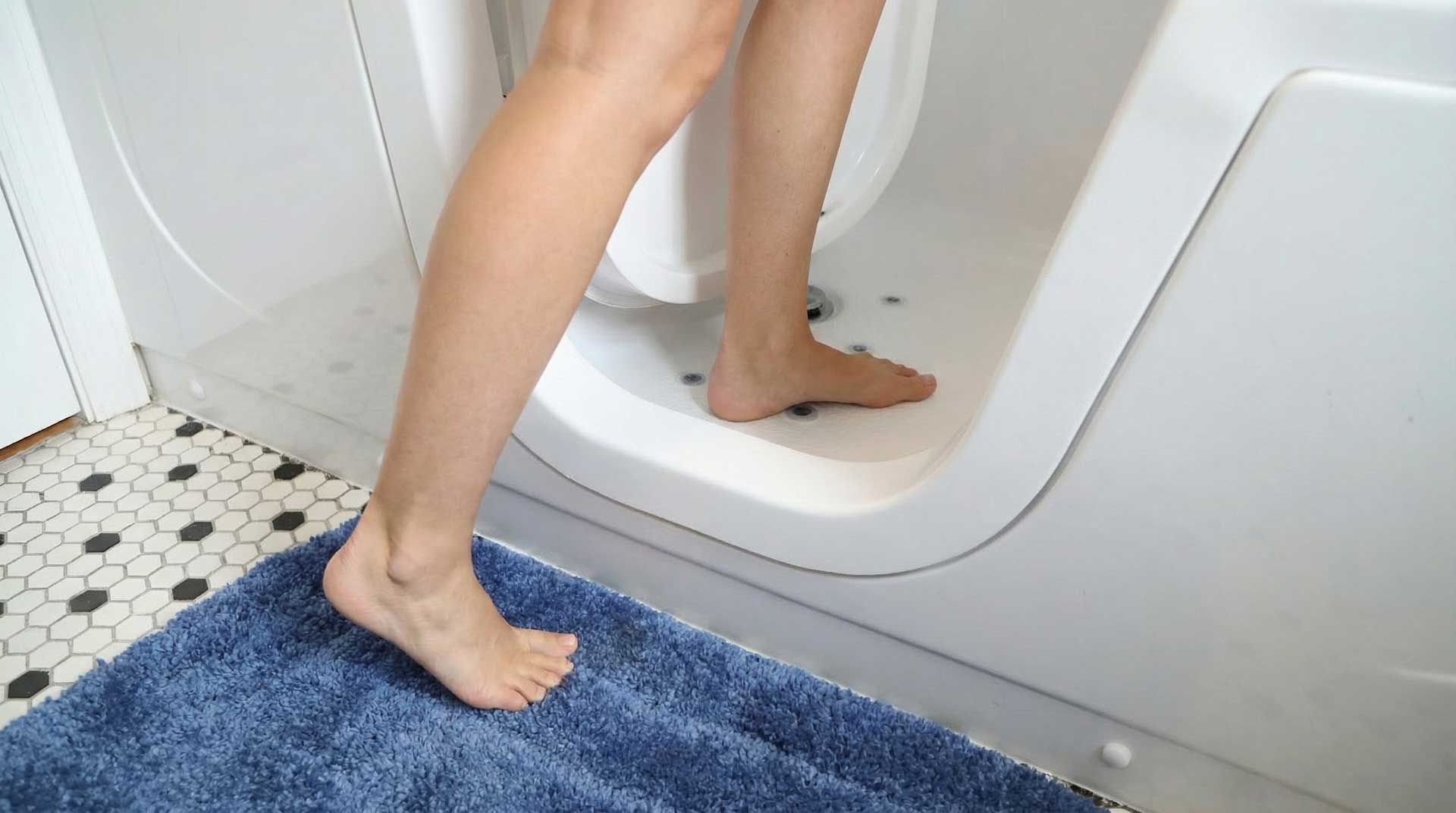
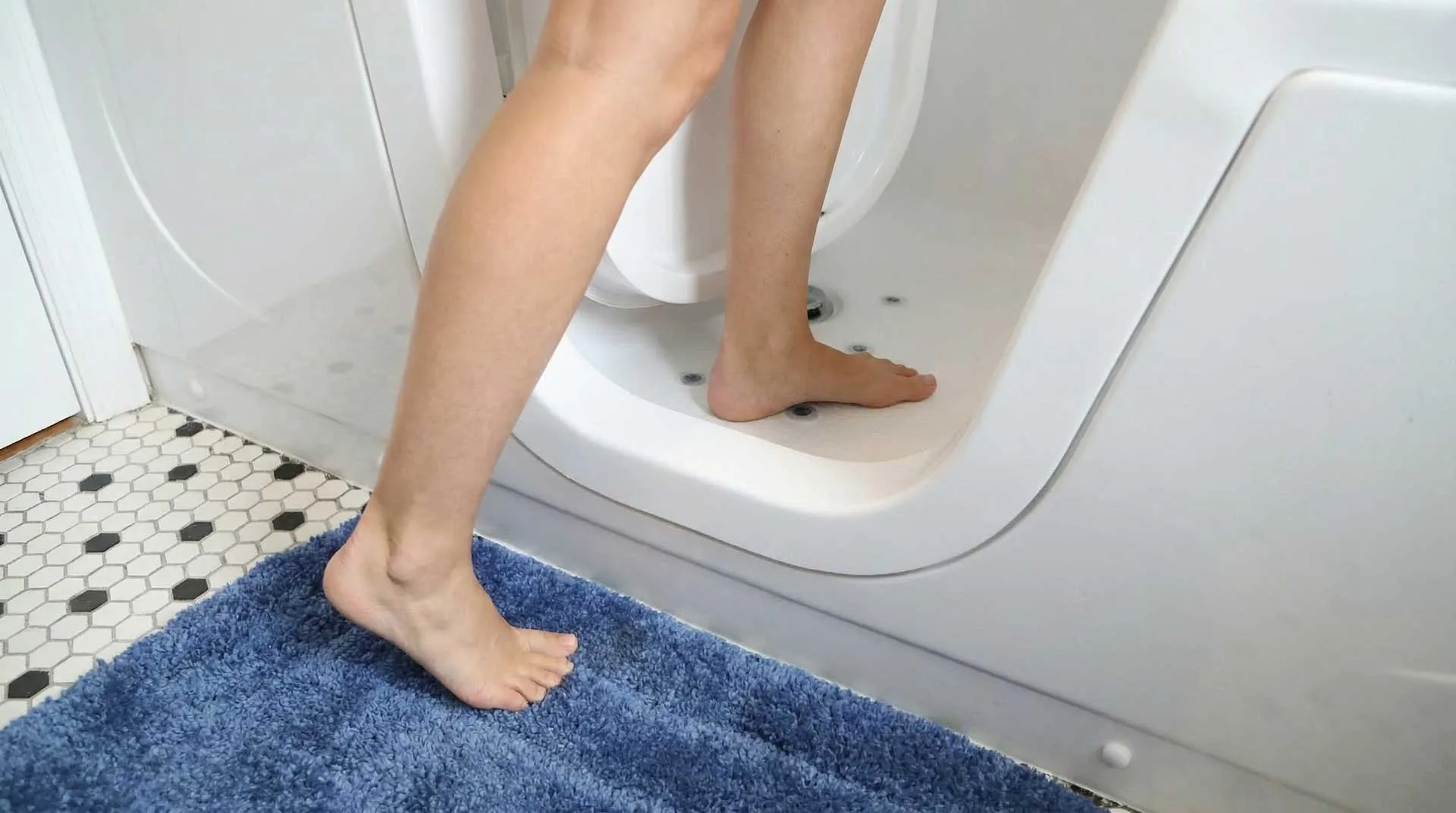
A low-threshold walk-in tub is defined by a lowered entry point that makes stepping in and out easier and safer. Many models also include built-in grab bars and textured or anti-slip floors to further cut fall risk. Together, these design choices make low-threshold tubs a strong option for anyone looking for a safer, more accessible bathing experience.
How Does the Low Entry Design Enhance Accessibility?
Lowering the tub entry reduces the physical effort required to get in and out, which matters most for people with joint pain, balance issues, or limited strength. That smaller step builds confidence—users often report feeling steadier and less anxious about bathing because the entry and exit are far less risky.
What Are the Key Features of Hybrid Walk-In Tubs?
Hybrid walk-in tubs blend classic tub and modern safety features. Typical highlights include adjustable showerheads, contoured built-in seating, and optional hydrotherapy jets for pain relief and relaxation. These customizable features make hybrid walk-in tubs a flexible choice for households with varying needs.
Which Safety Features Make Walk-In Tubs Ideal for Seniors?
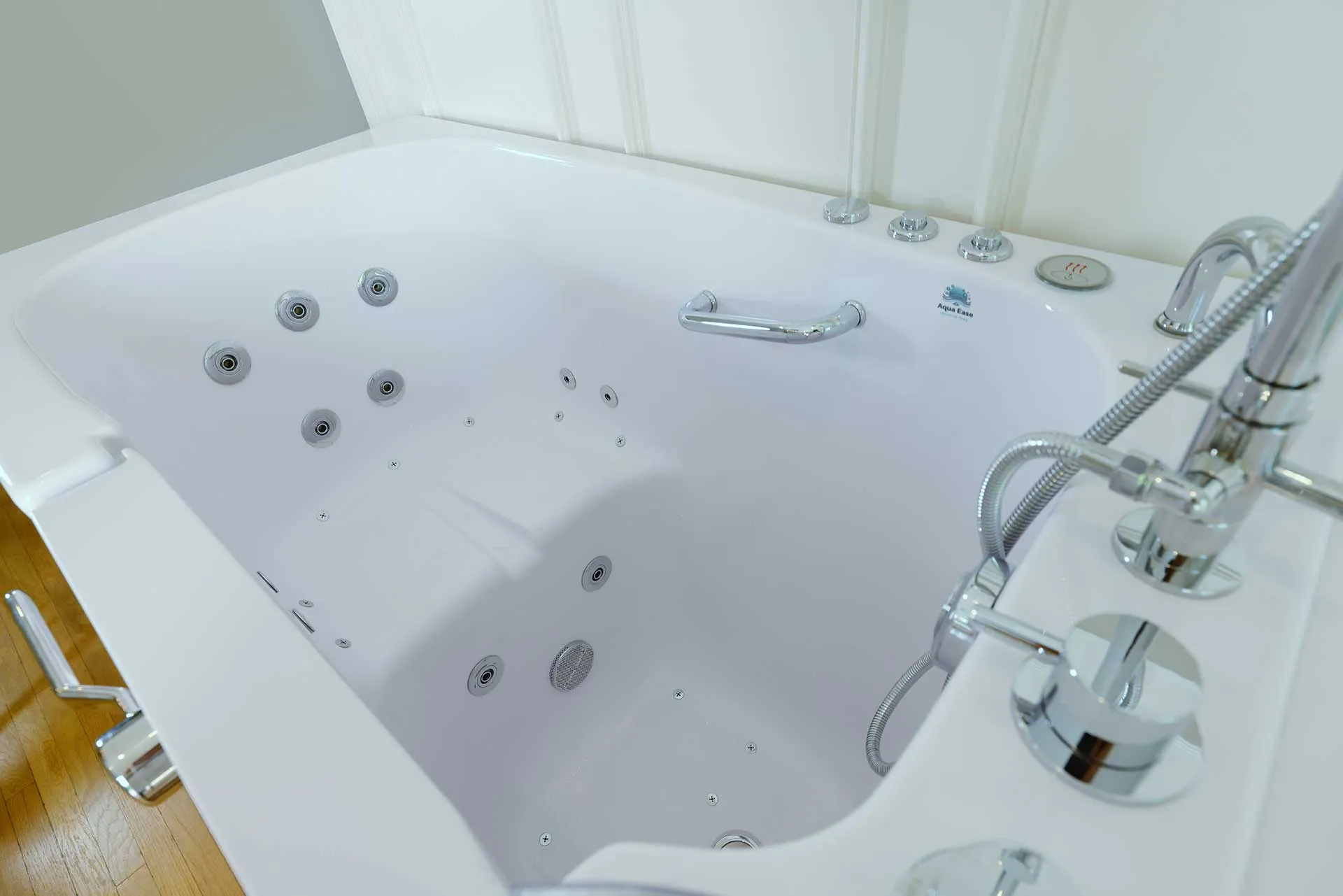
For seniors, safety is the top priority. Low-entry thresholds combined with grab bars and anti-slip surfaces dramatically lower the chance of slips and falls in the bathroom—the room where many household injuries occur.
How Do Anti-Slip Floors and Grab Bars Reduce Fall Risks?
Anti-slip flooring increases traction on wet surfaces, while grab bars give solid handholds for balance when entering, exiting, or standing. Used together, they create a much more stable bathing environment and reduce the likelihood of injury—helping users feel secure every time they bathe.
These built-in safety elements are also central to fall-prevention strategies that support older adults living safely at home.
Home Safety & Falls Prevention for Older Adults
This resource includes a home-safety checklist, guidance on grab-bar placement, anti-slip flooring options, and an equipment list to help prevent falls.
Preparing for the silver boom: a falls prevention tool for older adults in the emergency department, 2022
What Therapeutic Benefits Support Mobility and Comfort?
Beyond safety, many walk-in tubs offer therapeutic features like hydrotherapy jets that can ease joint pain, reduce muscle tension, and improve circulation. Warm water and gentle buoyancy help relieve pressure on joints and make movement easier—so a bath can double as a restorative, pain-relieving routine.
How Is the Installation Process for Low-Threshold Walk-In Tubs Conducted?
Installing a low-threshold walk-in tub is a job for experienced professionals to ensure safety, proper plumbing, and code compliance. The work usually starts with a site assessment, followed by removal of the old tub and careful installation of the new unit and its safety systems.
What Is the Typical Installation Timeline and Procedure?
Most installations take between 1 and 3 days, depending on how much modification the bathroom needs. A typical timeline includes:
- Assessment: A technician reviews your bathroom layout and recommends the best tub and layout for your space.
- Removal: The existing tub is removed and the area is prepped for installation.
- Installation: The walk-in tub is set in place, connections are made, and safety features are tested.
This approach helps keep the project efficient and minimizes disruption to your home.
How Do Installation Services Ensure Safety and Quality?
Qualified installers are trained to meet local building codes and manufacturer specifications. They verify that grab bars, seals, drains, and other safety systems are installed correctly so the tub performs reliably and safely for years.
What Are the Benefits of Low-Threshold Walk-In Tubs for Aging in Place?
Low-threshold walk-in tubs help people stay in their homes longer by making bathing safer, more private, and easier to manage without constant help. Their thoughtful design preserves dignity and independence while addressing common mobility challenges.
Comprehensive home and bathroom updates—like the ones these tubs offer—are increasingly seen as essential steps to support independent living for older adults.
Home & Bathroom Modifications for Senior Independent Living
Research highlights that smart home tech, ramps, and bathroom upgrades are key modifications that support independent living for older adults.
A systematic review of home modifications for aging in place in older adults, 2025
How Do These Tubs Support Independent Living?
By reducing reliance on caregivers for bathing, walk-in tubs help people manage daily routines on their own. That independence supports dignity, self-confidence, and overall quality of life.
What Features Address Mobility Challenges Effectively?
Key features that ease mobility challenges include:
- Low Threshold Entry: Reduces the risk of tripping when entering or exiting.
- Grab Bars: Provide steady support for balance and transfers.
- Anti-Slip Flooring: Prevents slips on wet surfaces.
Together, these elements make the bathroom safer and more accessible for people with limited mobility.
How Do Walk-In Tub Costs and Warranty Options Affect Purchase Decisions?
Knowing the costs and warranty options helps you choose the right tub with confidence. Upfront prices vary by model and features, but many homeowners find the investment worthwhile for the safety and independence gained. Warranties and service plans add protection and peace of mind.
What Is the Average Installation Cost for Walk-In Tubs?
Typical installation costs range from about $4,000 to $8,000, depending on the tub model and how much plumbing or bathroom modification is required. That estimate usually includes the tub, installer labor, and any necessary plumbing work.
How Do Warranty and Service Plans Provide Customer Assurance?
Warranties commonly cover parts and labor for a set period—often from 1 to 10 years—so you’re protected if problems arise. Optional service plans can handle routine maintenance and extend your tub’s reliable performance over time.
To schedule a free estimate, contact Aqua Ease Tubs today.
For more information, visit Aqua Ease Tubs to explore available options.
If you have any questions, please contact us.
Considering the installation process upfront helps ensure the safety and longevity of your walk-in tub.
